Energy Efficiency Tips for Your Home Appliances May 08, 2026
Begin by considering your refrigerator, one of the most used appliances in any household. To maximize its efficiency, make sure it is set between 37-40 degrees Fahrenheit. Keep the fridge well organized to ensure good air circulation. Regularly clean the coils and ensure the door seals tightly to prevent cold air from escaping. Overloading or frequent opening of the fridge can also increase energy consumption, so make sure to avoid these common pitfalls.
Moving to your laundry room, washing machines offer another opportunity to conserve energy. Using cold water for most loads can drastically cut down energy use as heating water accounts for a significant portion of energy consumption. Additionally, always aim to wash full loads, or if you must wash a smaller load, adjust the water level accordingly. Opt for high-efficiency models whenever possible as they use less water and energy.
The dryer, on the other hand, can be a significant energy drain. The simplest tip is to air dry clothes when possible. If you’re using a dryer, make sure to clean the lint filter after each use to maintain its efficiency and prevent fire hazards. Consider using dryer balls to reduce drying time and remove excess moisture from clothes before drying by giving them an extra spin in the washer.
When it comes to your dishwasher, use the energy-saving settings when available. Dishwashers are often more efficient than hand washing when fully loaded. It’s also advisable to air dry dishes instead of using the heat drying option. Also, scrape plates instead of rinsing before loading them to save on unnecessary water usage.
For those with HVAC systems, regular maintenance is paramount. Replace air filters as recommended to ensure the system is running efficiently. Utilize programmable thermostats to adjust the temperature when you’re not home or during sleeping hours, saving energy without compromising comfort. It’s also worth considering sealing ducts and insulating windows to prevent leaks.
Energy-efficient lighting options are another easy fix. Swap out old incandescent bulbs for LED alternatives, which last longer and consume far less power. Be mindful of turning off lights when leaving a room and utilizing natural daylight as much as possible.
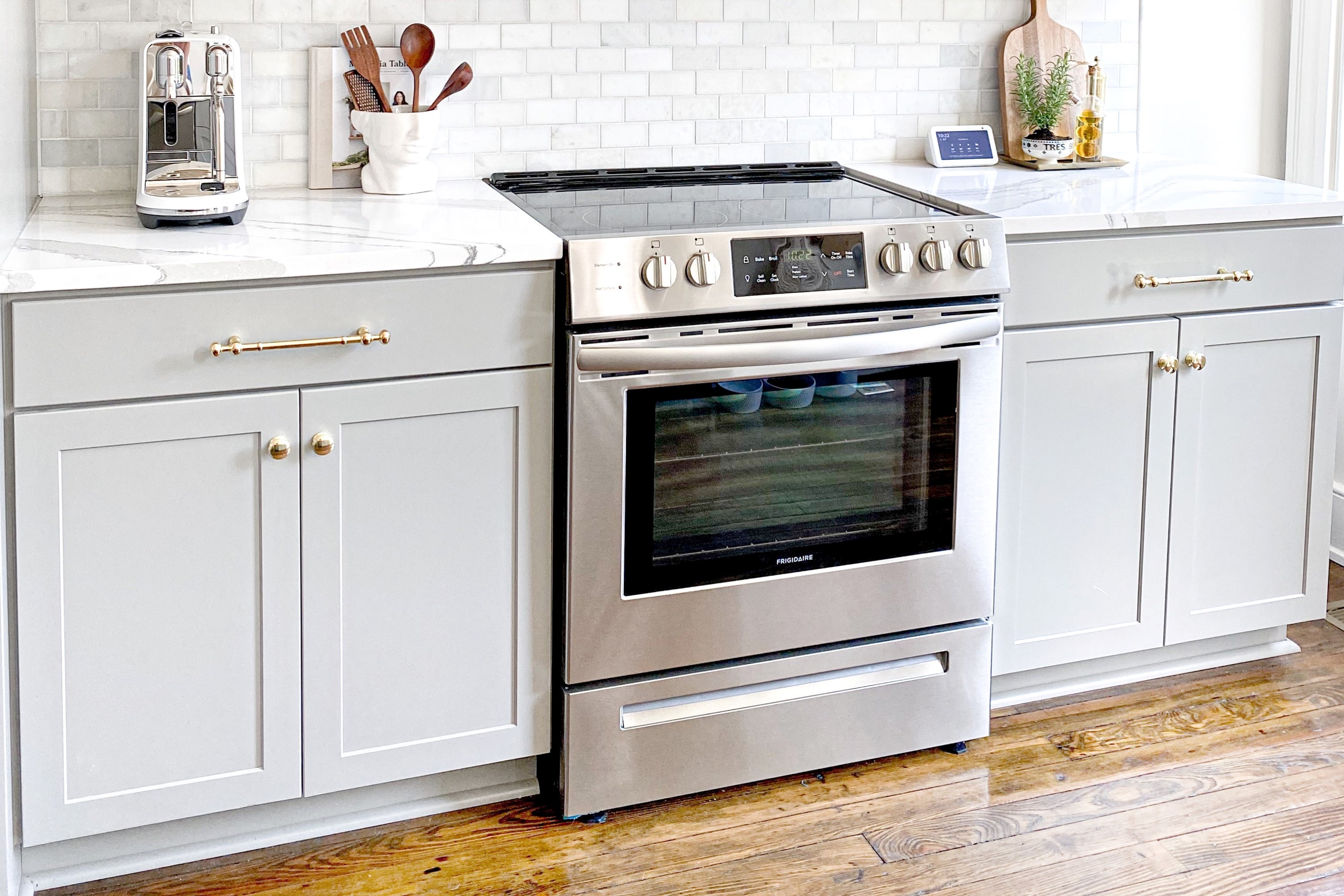
Lastly, consider your kitchen appliances such as ovens and stoves. Match pot sizes to burners to reduce energy waste, and try using the microwave for smaller meals as it uses less energy compared to a conventional oven. Induction cooktops, where possible, can be an excellent addition due to their energy-saving properties.
Incorporating these energy efficiency tips into your daily routine can lead to significant savings on utility bills and a smaller carbon footprint. At G.M.B Appliances LLC, we are always ready to assist you with maintenance checks and repairs to ensure your appliances remain in optimal working condition. By taking these small steps, you're not only optimizing your home’s energy use but also supporting a more sustainable future.
/filters:no_upscale()/filters:format(webp)/media/36411099-4e63-4f0c-b7da-3fbc943934d0.jpeg)